

- admin
- July 7, 2025
Modular Polyethylene Tanks Essential for Urgent Disaster Relief
When disaster hits floods, fires, or hurricanes access to clean water, fuel, and sanitation becomes a race against time. This is where modular polyethylene tanks step in, not just as a storage solution, but as a lifeline. These tanks, often overlooked in calm times, are proving themselves to be real heroes in the thick of emergencies.
A Solution That Moves With the Crisis
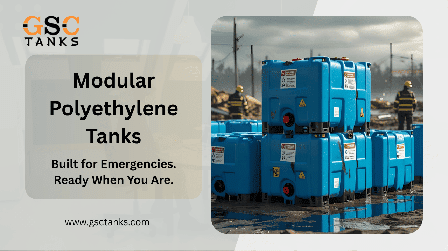
Imagine this: you’re in a remote town hit by a flash flood. Roads are closed, water systems are down, and relief is delayed. Modular Polyethylene Tanks can be flown in, stacked on small trucks, or even dropped by helicopter. Within hours, they’re collecting clean water or storing diesel for mobile generators. That kind of speed and flexibility? It saves lives.
Here’s why responders rely on them:
- They’re quick to install with no heavy tools.
- UV-resistant and non-corrosive, even in coastal or humid zones.
- Safe for drinking water, fuel, or even chemical waste.
- Light enough for airlift, strong enough for real emergencies.
Four Times Modular Polyethylene Tanks Proved Essential
1. Post-Hurricane Drinking Water
When Category 4 storms roll in, water mains snap like twigs. Poly tanks can be deployed at relief camps and community hubs. No plumbing? No problem. Just clean, stored water where it’s needed most.
2. Mobile Fueling During Wildfires
Emergency generators, fire trucks, and medics on the move need diesel. Fast. Modular fuel tanks have made it possible to refill vehicles in places where traditional fueling is impossible. One tank on a trailer, and the rescue keeps rolling.
3. Makeshift Sanitation During Earthquakes
No one likes to talk about sanitation but without it, disease spreads fast. These tanks have served as makeshift septic tanks, hand wash stations, or containment units during quakes in California and Alaska.
4. Farm Recovery After Drought
After a drought or wildfire, rural communities use these tanks to hydrate livestock, hold irrigation water, or store agrochemicals. They’re a stopgap, sure—but a critical one that helps farmers bounce back.
From the Field: A Real Hurricane Ian Example
Relief teams dropped off a handful of polyethylene tanks each no larger than a compact car at community shelters across Florida after Hurricane Ian. Within two days, hundreds of people had filled them with potable water and were using them. It wasn’t glamorous. It just worked.
Why Modular Polyethylene Tanks Are Outperforming the Old Standards
Steel rusts. Fiberglass cracks. But polyethylene? It holds its own.
- It’s light, so it travels well.
- It doesn’t need paint or coating.
- It withstands years of use, even when storms don’t.
Certified by NSF and meeting EPA guidelines, these tanks tick the safety box while delivering real value.
Choosing the Right Tank in a High-Stakes Moment
Every crisis is different. Here’s how first responders and agencies decide what to use:
- What’s going inside? Water? Fuel? Chemicals?
- How much do you need? Think in gallons or liters.
- How fast does it need to move? Some tanks come with wheels or trailers.
- Any official regulations to meet? NSF/ANSI 61 certification is a good start.
Quick tip: Ask suppliers to pre-fit the tanks with hoses or pumps. It saves a ton of time on-site.
Don’t Wait for the Storm to Hit
We all hope for the best. Think ahead to stay prepared. Modular Polyethylene Tanks are part of that plan. They’re not just for big agencies, either. Additionally, schools, clinics, fire departments everyone benefits from having a reliable storage option on hand.
Looking to get your organization ready? GSC Tanks has a full line of modular polyethylene tanks designed for rapid response and long-term reliability. We’ve helped dozens of teams prepare before the crisis comes. Let’s do the same for you.
Sources:
- U.S. Environmental Protection Agency: Water Storage in Emergencies
- FEMA: Emergency Operations Guidebook
- NSF/ANSI Standards: Drinking Water System Components
- Modular Polyethylene Tanks
- Modular Polyethylene Tanks Essential for Urgent Disaster Relief
Category
- Above Ground Fuel Tanks
- Above Ground Gas Storage Tank
- Above Ground Storage Tanks
- Above Ground Water Storage Tanks
- Agricultural Tanks
- Chemical storage Tanks
- Diesel Fuel Storage Tanks
- Diesel Storage Tanks
- Exernal FloatingRoof Tanks
- Farm Water Tank
- Fiberglass Oil Tanks
- Fiberglass Septic Tanks
- Fiberglass Tanks
- Fiberglass Underground Fuel Storage Tanks
- Field Erected Tanks
- Floating Roof Tank
- Food and Beverage Tanks
- Fuel tank
- Industrial Chemical Storage Tanks
- Industrial Gas Tanks
- Industrial Hot Water Storage Tanks
- industrial hot water tank
- Industrial Plastic Tanks
- Industrial Storage Tanks
- Industrial Tank heating pads
- industrial tanks
- Natural gas
- Natural gas vs Propane
- oil storage tank
- Oil Storage Tanks
- Peracitic Acid
- Petroleum Tanks
- Residential gasoline storage tanks
- Residential Water Storage Tanks
- Sodium Hydroxide Storage Requirements
- Sodium Hypochlorite Storage Tanks
- Steel Storage Tanks
- storage tank failure prevention
- Storage Tanks
- Sulfuric Acid Tanks
- Uncategorized
- UnderGround Storage Tanks
- Waste water tank
- Water Storage Tanks